PayPal fund holds are a common frustration for online merchants, especially when cash flow depends on quick access to revenue. In some cases, funds may be held for up to 21 days while PayPal evaluates risk signals tied to your account and transactions.
This guide explains why holds happen, what can improve your standing, and which operational habits can help you get access to funds sooner.
In this article, we focus on practical ways to improve the speed of PayPal fund release.
PayPal may hold funds for around 21 days, but there are steps merchants can take to improve that timeline.
If your orders are legitimate and your account is in good standing, these actions can help:
- Print shipping labels through major carriers such as USPS or UPS.
- Automate tracking updates sent to PayPal.
- Use PayPal-supported carriers whenever possible.
Those are some of the most important operational steps you can take to reduce the risk of longer holds.
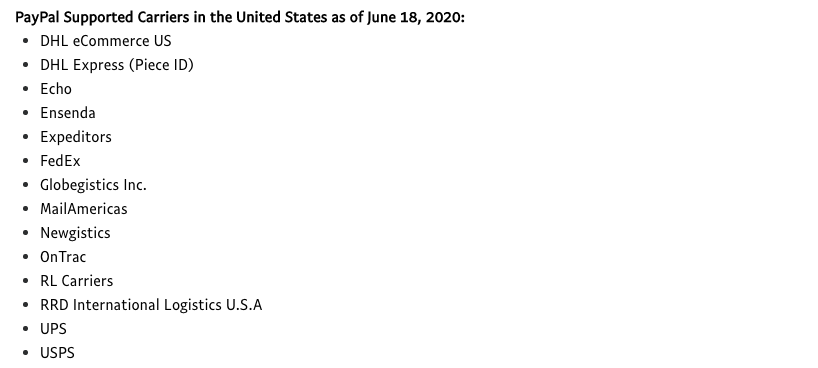
If your carrier is not supported by PayPal, especially in dropshipping workflows, the best approach is to use a tool that helps you stay within PayPal requirements. Paltrack includes an Auto-Routing Policy feature that can map carrier names to values PayPal recognizes.
The Auto-Routing Rule lets you define carrier-mapping rules before syncing data to PayPal. That helps PayPal receive carrier names from its supported reference list, which can contribute to healthier account signals. Paltrack also automates tracking sync from fulfilled Shopify orders to PayPal. Learn more here: https://apps.shopify.com/paltrack
There are also broader account and transaction factors that can contribute to payment holds:
Situation 1
You are a new seller and have not yet established enough account history.
Situation 2
Customers request refunds or file disputes and chargebacks at a higher-than-normal rate.
Situation 3
Your sales patterns appear unusual, such as a sudden increase in volume or a significant shift in average order value.
Situation 4
You may be selling higher-risk items, such as tickets, gift cards, consumer electronics, computers, or travel packages.
Situation 5
Your account may not be fully verified. Completing PayPal's verification steps helps reduce fraud signals and improve account trust.
These are some of the reasons PayPal may hold payments for longer periods. PayPal keeps those funds available in case disputes or chargebacks arise. Over time, stronger account health and cleaner operations can improve release speed.
For more detail on holds and reserves, review the PayPal User Agreement. You can also read our related guide here: 2024 Shopify Merchant Top Practices to Avoid PayPal Account Suspension
As a Shopify merchant, how can you reduce delays on pending PayPal funds?
- Pay attention to email notifications from PayPal.
- Identify the reason your funds were put on hold.
- Submit the documents PayPal requests, such as proof of shipment and valid tracking details.
- Reduce refund requests, disputes, and chargebacks by doing the following consistently:
Use accurate product photos.
Write clear product descriptions.
Be transparent about shipping and handling times.
Process orders promptly.
Pack orders carefully with reliable materials.
Upload tracking numbers from PayPal-supported carriers.
Make your refund policy easy to find and understand.
Communicate professionally and quickly with customers when questions arise.
Set up a PayPal Customer Service Message in the Resolution Center. You can include your support phone number, email address, or support website so customers know how to contact you before escalating to a dispute. Read more here: PayPal Tracking Info: How to Save Your PayPal Account
PayPal operations can be demanding, but strong order handling, clear communication, and reliable tracking submission make a measurable difference. Tools like Paltrack can help merchants keep that process consistent.
If you have questions about improving PayPal fund release speed, contact us and we will be glad to help.
Related articles: